
Hamad Aloqayli
Software Engineer
Hamad Aloqayli
Software Engineer
About Me

Bachelor's degree in Software Engineering, College of Computer & Information Sciences - King Saud University with second class honors.
Frontend Software Engineer with 4+ years of experience building high-quality ReactJS applications across Tech, Startup, and
R&D sectors. Certified Agile Project Manager and IT Service Management Specialist, skilled in aligning technical execution with project goals using Scrum. Blending technical
expertise and strategic project management to deliver impactful software.
Certifications & Achievements






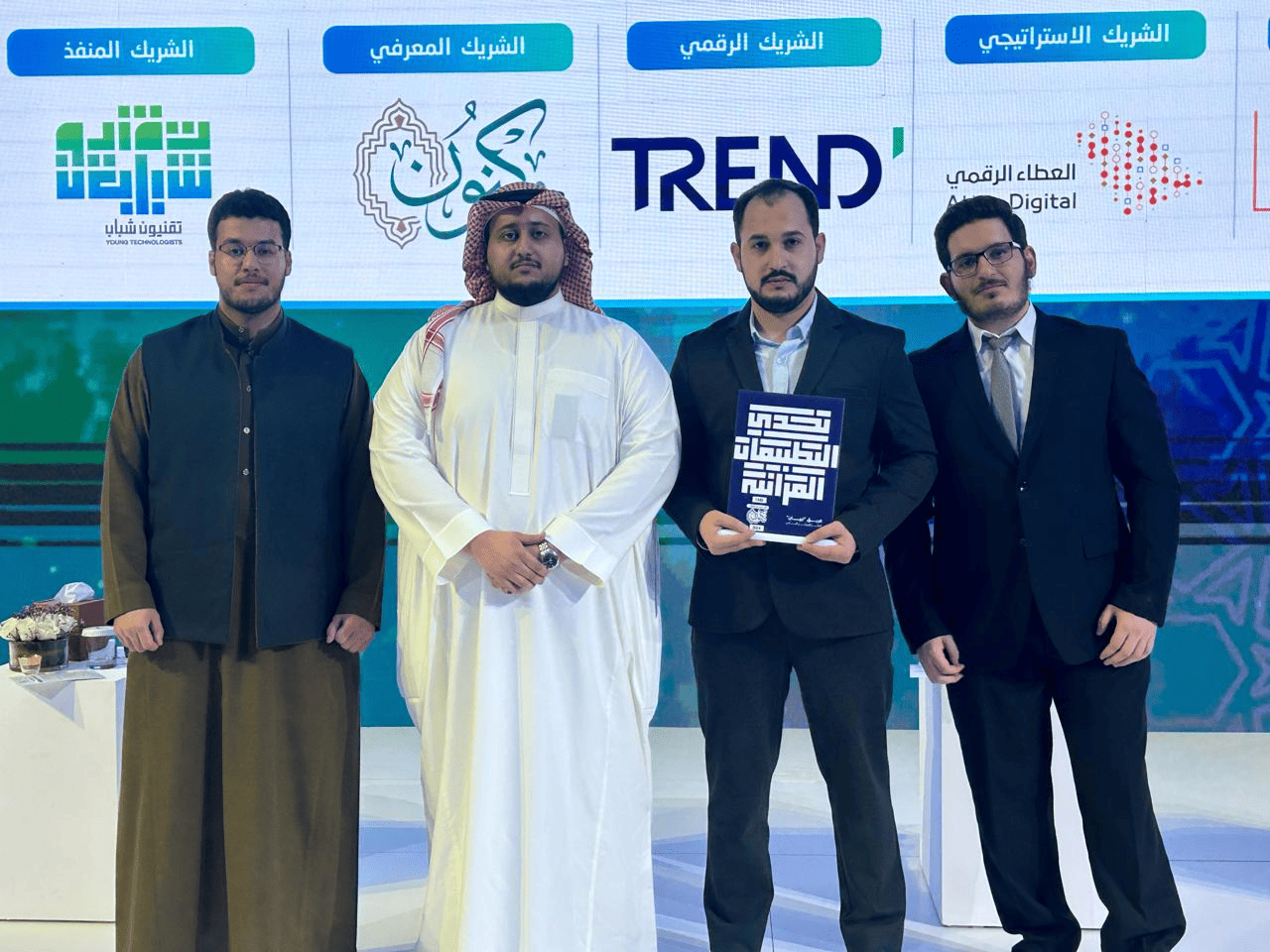
Secured Second Place in the Quran Apps Challenge Hackathon
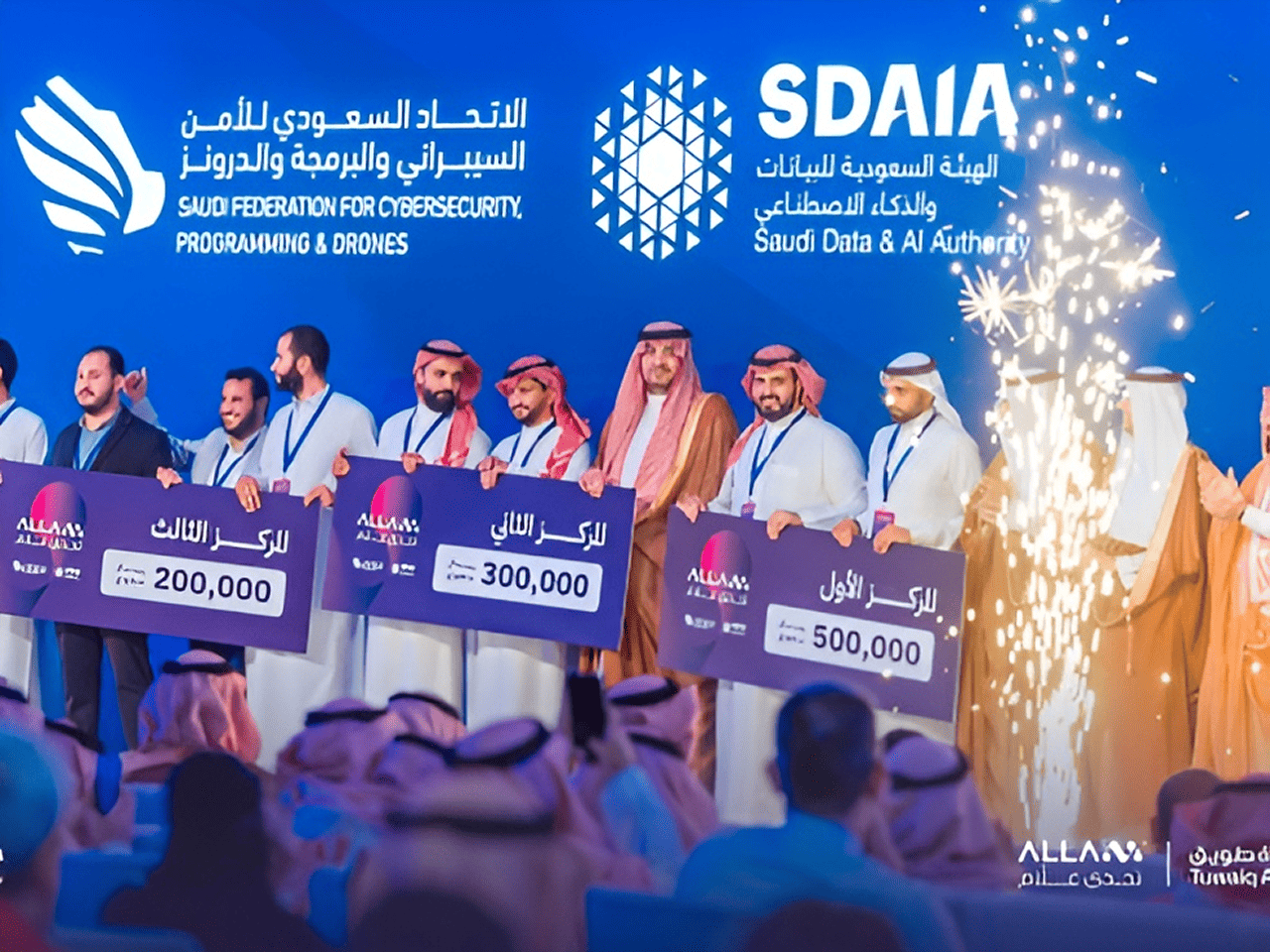
Secured Third Place in the ALLaM Challenge Hackathon
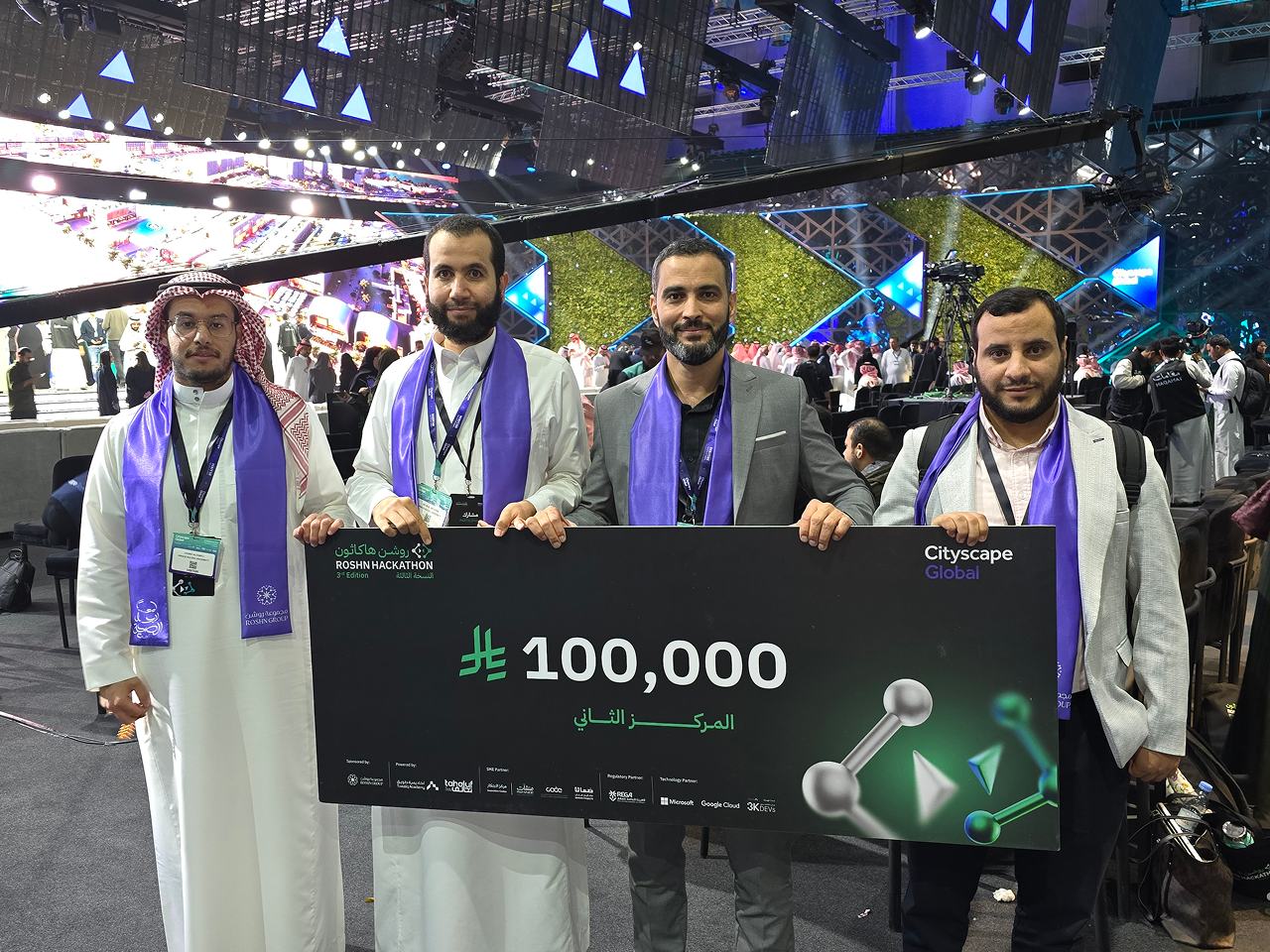
Secured Second Place in the ROSHN Challenge Hackathon
My Experience

Prince Sultan University
The Research and Initiative Center is the administrative research structure at Prince Sultan University that provides faculty members with different research services. RIC is responsible for assisting PSU's researchers and providing them with the appropriate infrastructure to conduct their research activities. It also acts as the mediator between the colleges and higher management. RIC directly reports to the Rector of the University, which makes the decision process fast and effective. Furthermore, RIC is responsible for evaluating the research performance at the University in terms of outcomes and expenditure.

Research Software Engineer

May 2023 - Present

Full-time
As a key contributor in the Robotics & IoT Lab and the Research & Initiative Center, I served as a Frontend Engineer, UI/UX Designer, and Scrum Master, ensuring the success of multiple projects. I led the frontend development and UI/UX design of PSUGPT, an AI chatbot built with ReactJS and TailwindCSS, designed to provide instant AI-driven responses for PSU students and faculty. I also developed and designed RICGPT, an AI-powered system aimed at automating and optimizing operations within the Research and Innovation Center, with a focus on frontend architecture. Additionally, I contributed to the Quran Apps Challenge Hackathon as a Frontend Developer and UI/UX Designer, helping to create Tibyan, a Quranic app that won second place. In the ALLaM Challenge Hackathon, I played a key role in developing ALLaM Creativity, which achieved third place for its innovative design.

AerBag
AerBag is a platform that develops and digitizes the automotive services sector, providing several technical solutions that help manage car workshops and make it easier for the customer to repair his car. The customer can make a maintenance request on the application without having to go to the car workshop, while the service provider can estimate that request based on the details and photos provided. Towing service is also available in the application which allows the customer to request a truck to deliver his car to the needed workshop. AerBag provides an ERP system for car workshops, which allows the workshop manager or owner to manage and organize the work.
Full-stack Developer
Jun 2021 - Jun 2022
Full-time
Analyzed and tested the AerBag application to ensure its functionality and performance met user requirements. Additionally, I developed a scalable ERP system using ReactJS and ChakraUI to streamline various business processes. I also built a Clock-in application using React Native, providing users with an efficient solution for time tracking and attendance management. Throughout these projects, I collaborated closely with stakeholders to gather requirements and analyze both ERP and attendance systems, ensuring the developed solutions were aligned with business objectives.

Shuttle
Shuttle is a platform that provides logistical services for online stores, by delivering orders from sellers to customers through an innovative idea, which is smart lockers. These smart lockers using the Internet of Things (IoT technology) so that customer can open the cabinet to get his order without the need to type any code or scan any code, just by pressing a button that he has got in the SMS message when the order is delivered. the order will be delivered to the nearest smart locker to his home or business.
Software Engineer
Aug 2020 - Mar 2021
Full-time
Developed a ReactJS-based product with a strong emphasis on feature design, user experience, and overall functionality enhancement. My role involved conducting regular product analysis and testing to ensure high performance, reliability, and alignment with user needs. I also managed the installation of smart lockers, handling both hardware and software integration, and provided continuous maintenance and development. Additionally, I oversaw an external project built using Bubble, ensuring its successful execution. To enhance system efficiency, I created and designed tools that improved the integration and functionality between smart lockers and the main product. I also designed user-friendly interfaces for external products using Figma and prepared detailed documentation for seamless API integration.
My Skills
Major Skills
 HTML
HTML CSS
CSS JavaScript
 ReactJS
 Firebase
 Figma
Figma Chakra
 Sass
Sass Tailwind
 Git
GitThe Dynamics of Digital Pop Culture: An Analysis of Indonesian Entertainment and Popular Videos in the Post-Streaming Era
This paper addresses the following research questions: (1) How have traditional Indonesian entertainment formats adapted to digital platforms? (2) What thematic characteristics define the most popular Indonesian videos on YouTube and TikTok? (3) What are the cultural implications of algorithm-driven content in a collectivist, religiously diverse society? Scholarship on Indonesian media has historically focused on the political economy of television under the New Order (Suharto era) and the subsequent reformasi (reform) period (Sen & Hill, 2006). However, recent studies have turned to the digital turn. Lim (2017) notes that the decline of broadcast TV advertising revenue in the mid-2010s forced production houses to partner with streaming giants like Vidio, Netflix, and WeTV. Meanwhile, research on YouTube in Indonesia (Baulch & Pramiyanti, 2018) highlights the platform’s role in creating micro-celebrities who bypass traditional gatekeepers. The concept of konten lokal yang mendunia (local content gone global) has gained traction, but a gap remains in synthesizing how these formats maintain Indonesian cultural identity amid algorithmic homogenization. 3. Methodology This paper employs a qualitative content analysis. A purposive sample of 50 popular videos (defined as having >5 million views and <6 months old as of September 2024) was drawn from YouTube, TikTok, and the streaming platform Vidio. Videos were categorized into three genres: (1) Streaming Sinetron (e.g., Magic 5 , My Nerd Girl ); (2) Long-form YouTube vlogs (e.g., Atta Halilintar, Ria Ricis); (3) TikTok dance and challenge videos (e.g., “Pacar 5 Langkah,” “Rujak”). Thematic coding focused on narrative themes, language use (code-switching between Indonesian and regional dialects), and audience interaction patterns. 4. Findings and Analysis 4.1 The Rise of Streaming Sinetron Traditional Indonesian soap operas ( sinetron ) were known for their melodramatic plots, excessive running times, and commercial breaks. In the streaming era, platforms like Vidio and WeTV have condensed episodes to 20–30 minutes, increased production quality (4K, original scores), and introduced mature themes such as domestic violence and LGBTQ+ issues—taboo on free-to-air TV. For example, Layangan Putus (WeTV, 2022) tackled infidelity with cinematic realism, amassing 50 million streams. The data shows that streaming sinetron retains the core Indonesian value of keluarga (family) but adds a contemporary, often urban, setting. 4.2 YouTubers as National Influencers Indonesia’s top YouTube creators, such as Atta Halilintar (28M subscribers) and Ria Ricis (22M subscribers), have transformed popular videos into multi-platform entertainment empires. Content analysis reveals three dominant sub-genres: prank keluarga (family pranks), vlog sehari-hari (daily life vlogs featuring religious rituals like pengajian ), and challenge kolaborasi (collaborative challenges with other creators). Unlike Western vlogs that emphasize individuality, Indonesian vlogs reinforce social hierarchies (e.g., respecting elders) and communal activities. For instance, Ria Ricis’s wedding vlog (2022) was framed not as a private event but as a public spectacle of Islamic rites and extended family approval. 4.3 TikTok and the Micro-Viral Aesthetic TikTok is the fastest-growing video platform in Indonesia, with over 110 million active users. Popular content is distinct: short (15–60 seconds), rhythmic, and repetitive. Two notable trends emerged from the sample: the “Pacar 5 Langkah” (5-Step Boyfriend) dance, where users mimed romantic rejection with humor, and the “Rujak” challenge, where participants quickly mix spicy fruit salad sounds with beatboxing. These videos are characterized by lucu (funny) and receh (absurd, low-brow humor) – a genre previously marginalized on TV. The analysis suggests TikTok facilitates a carnivalesque space where youth mock formal social norms (e.g., polite speech) without direct confrontation. 5. Discussion The findings reveal a dialectical relationship between global platform logics and local cultural persistence. Algorithmic rewards for high retention encourage Indonesian creators to adopt fast pacing and shocking thumbnails (e.g., “MENANGIS SEPANJANG VIDEO” – crying throughout video). However, the content that thrives is that which integrates gotong royong (e.g., family challenges), Islamic greetings ( Assalamu’alaikum ), and emotional vulnerability (e.g., public apologies for online conflict). Nonton Bokep Viral Gratis - Page 266
[Generated for Academic Purposes] Publication Date: October 2024 Abstract This paper examines the evolution of Indonesian entertainment and popular videos, tracing the shift from traditional broadcast media (television and film) to the current dominance of digital streaming platforms and user-generated content. Focusing on the period from 2015 to the present, the study argues that the proliferation of high-speed internet and affordable smartphones has democratized content creation, leading to the rise of distinct genres such as sinetron (soap operas) on streaming, YouTube vlogs, and short-form content on TikTok. The paper analyzes three key pillars: the adaptation of traditional soap operas to Over-The-Top (OTT) platforms, the role of YouTube creators in shaping public discourse, and the viral nature of Indonesian challenge-based videos. Findings indicate that while global platforms dictate algorithms, local narratives—rooted in gotong royong (mutual cooperation), family dynamics, and Islamic values—remain central to audience engagement. The paper concludes that Indonesian popular videos serve not only as entertainment but as powerful vehicles for cultural negotiation and social commentary. 1. Introduction Indonesia, the world’s fourth most populous nation and a leading digital economy in Southeast Asia, presents a unique case study for the evolution of entertainment media. With over 200 million internet users as of 2024, the country has witnessed a seismic shift from state-controlled television (TVRI) and private free-to-air networks (such as RCTI and SCTV) to an on-demand, user-generated video ecosystem. Popular videos in Indonesia—whether episodic dramas, vlogs, or short clips—have become primary sources of entertainment, surpassing traditional television in daily reach among the youth demographic (18–35 years). The Dynamics of Digital Pop Culture: An Analysis